
About the home
- What types of care does the home provide?
- What does its latest CQC report say?
- How long has the current manager been in post?
- How many people live there, and are there vacancies?
Choosing where you or someone you love will live is one of the biggest decisions a family makes. This guide walks you through the process step by step — from understanding what care homes provide to comparing your shortlist with confidence.
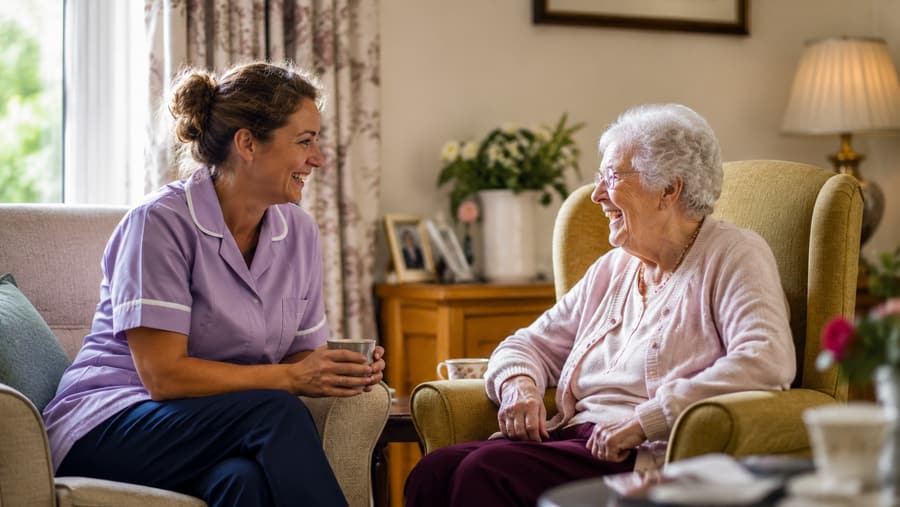
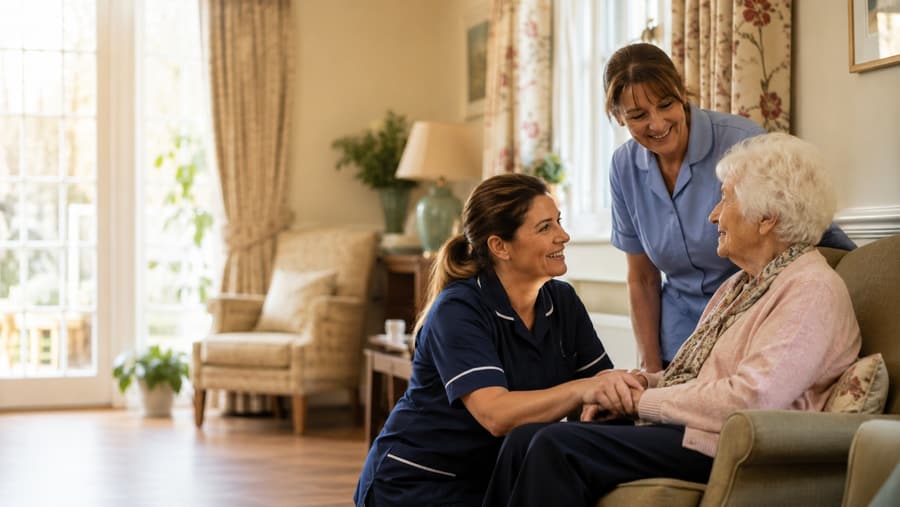
A care home provides accommodation and personal care around the clock, every day of the year — help with things like washing, dressing, medication and meals, alongside housekeeping, activities and company. Nursing homes additionally have registered nurses on duty for people with medical needs. Every care home in England must be registered with the Care Quality Commission (CQC), which inspects homes and publishes ratings you can check for free.
Start with a free care needs assessment from your local council — it establishes what kind and level of care is needed, and it is the gateway to any council funding. With that picture in hand, use the search on Looking for Care to find homes in the areas that matter to you, filter by the type of care you need, and read each home’s profile and CQC rating.
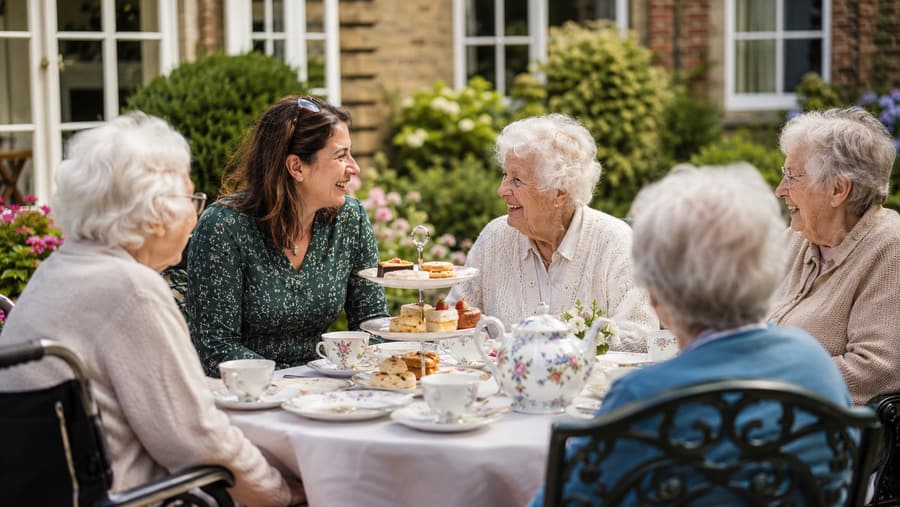
The right home is personal. Think about what you would genuinely miss: staying close to family and friends, a private bathroom, bringing a pet, keeping your own furniture, a garden, the food. Save the homes that fit on Looking for Care, then compare them side by side. Budget honestly too — fees vary widely, and knowing your range early narrows the search kindly.
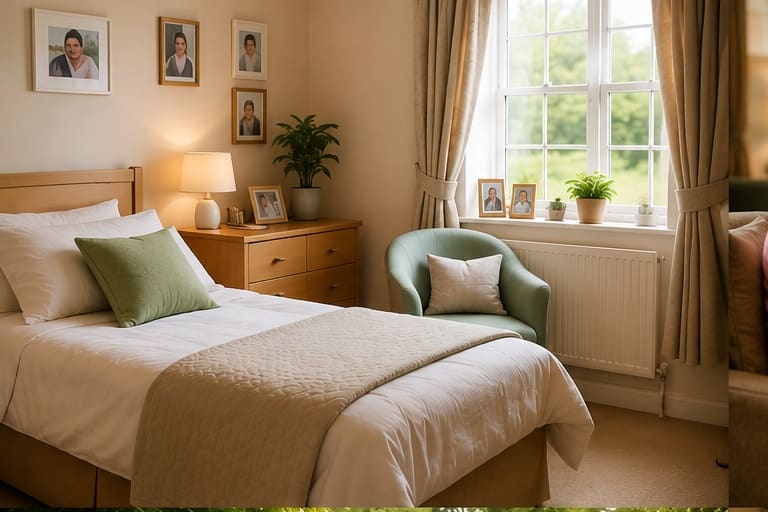
Nothing replaces walking through the door. Visit your shortlisted homes — ideally more than once and at different times of day. Ask to see the bedrooms, join a mealtime if you can, and talk to the people who live and work there. A good home will welcome questions; take the checklist below with you.
Prepare a list in advance, it helps you compare homes and trust your instincts.